


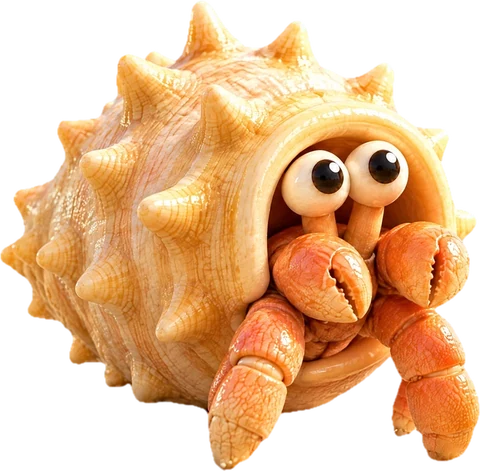

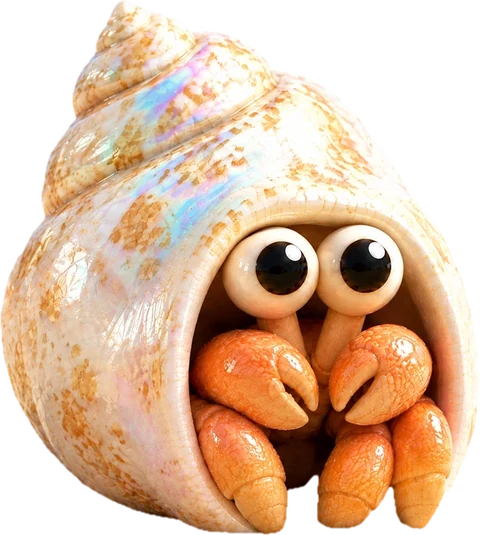

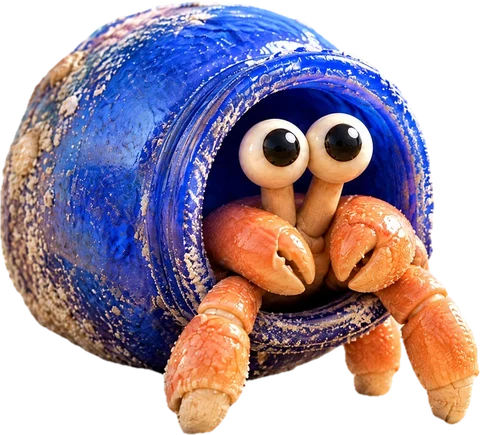
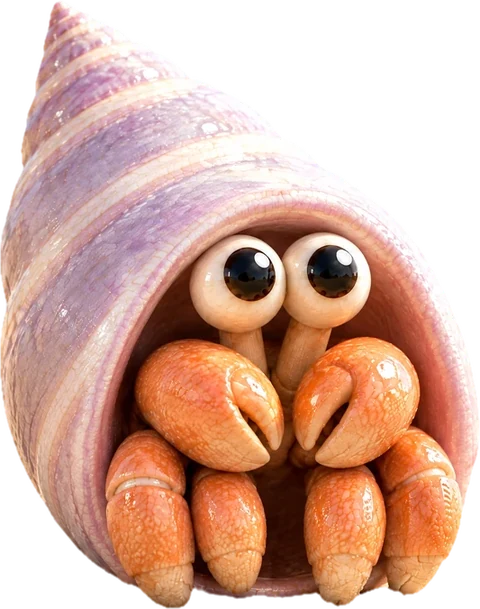


Shells that grow with the work.
The shell is the context window. Approved work earns sea glass, and sea glass buys rare shells.
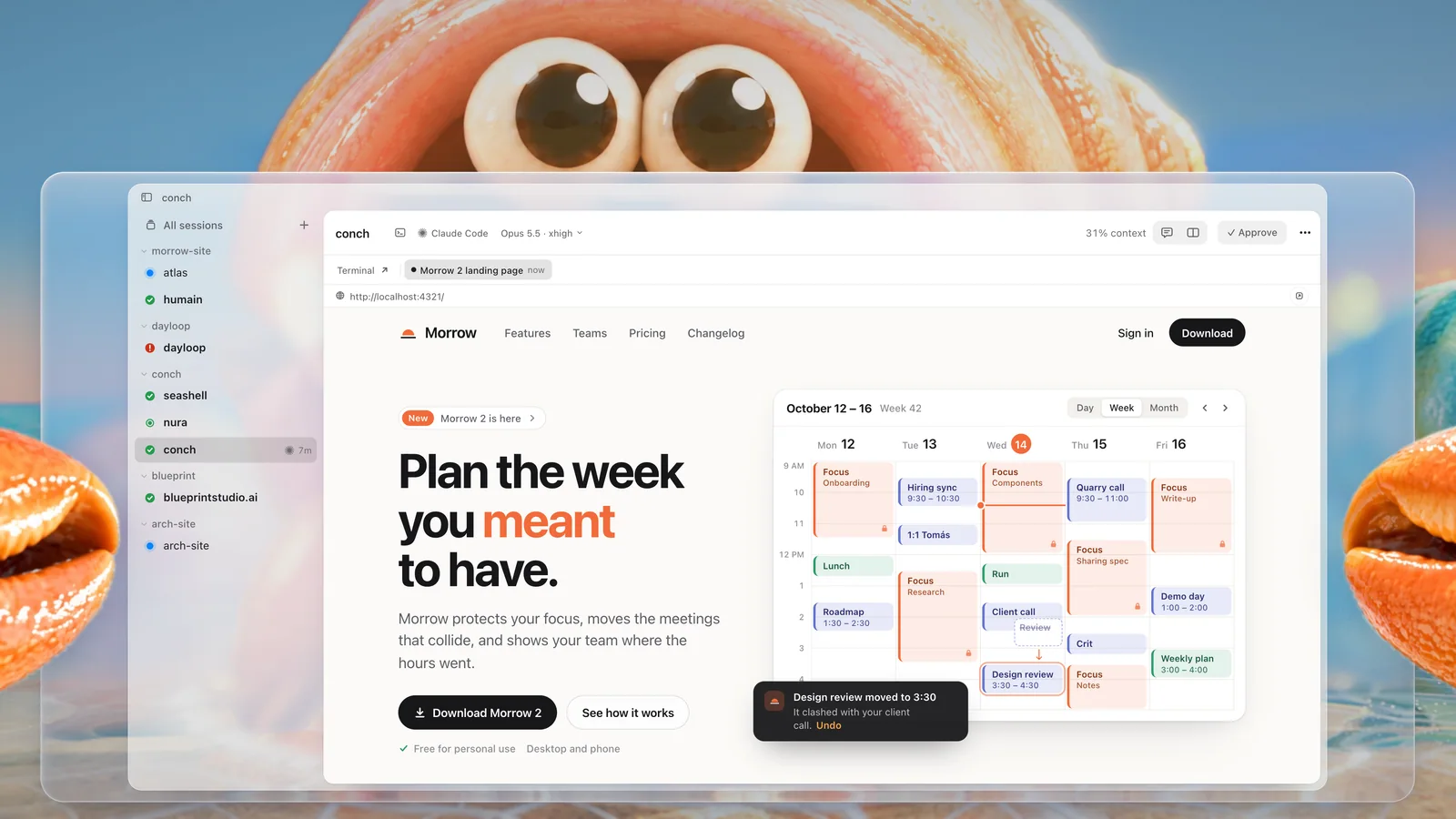
conch manages your Claude Code and Codex agents. They show you the work and talk it through, so you can work anywhere. Even the beach.
brew install stupart/tap/conchFree and open source, for macOS 14 or later. Then conch setup. Every step
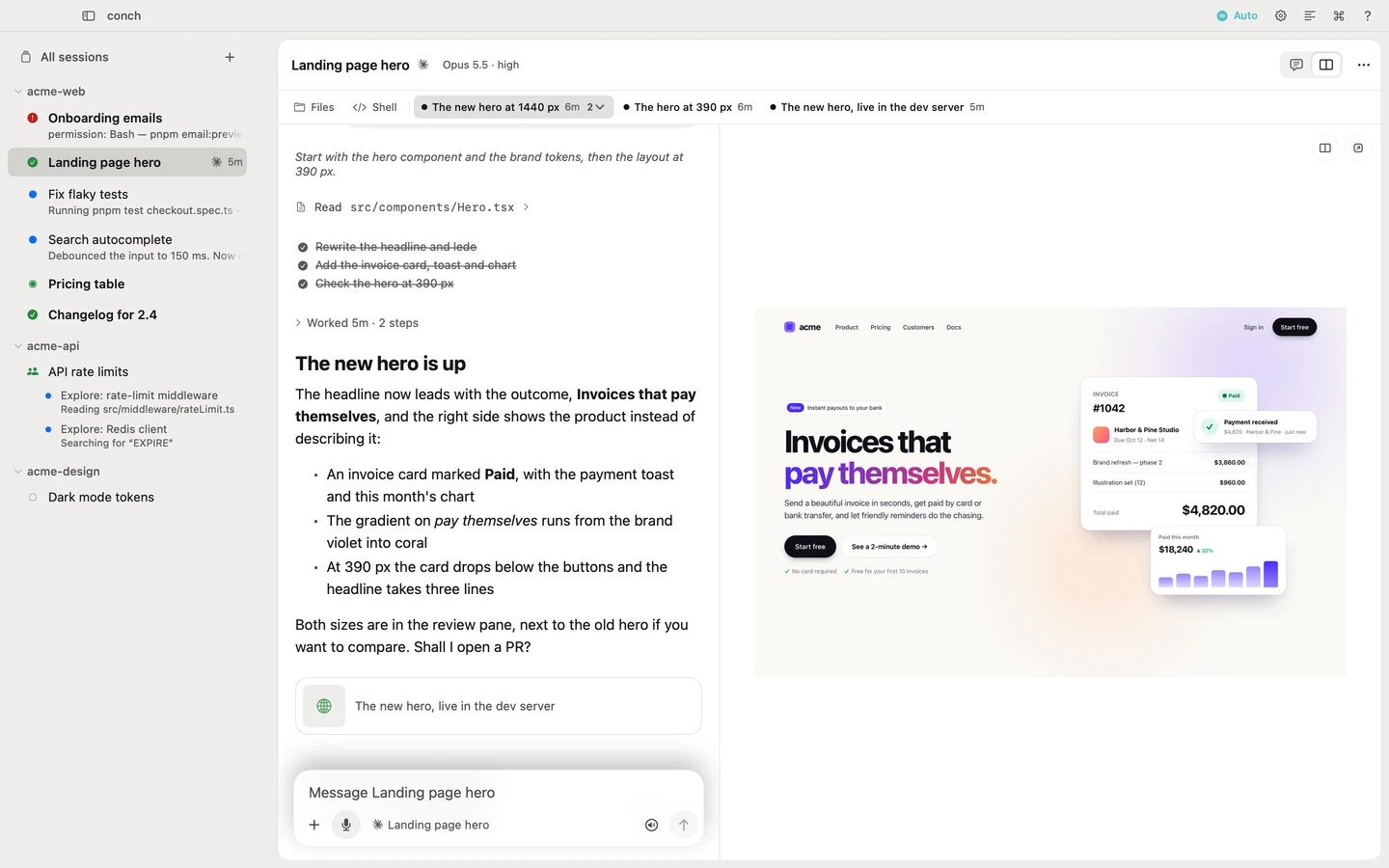
They live in shells now, so you don’t have to.


 Codex
Codex
When a session is done, it tells you in its own voice. Then the mic opens. Say what’s next.
hey seashell, ship it
No cloud, no API keys. Your voice is never uploaded.
The page where it runs, the picture, the diff. Full size, never a thumbnail. Look, then answer.
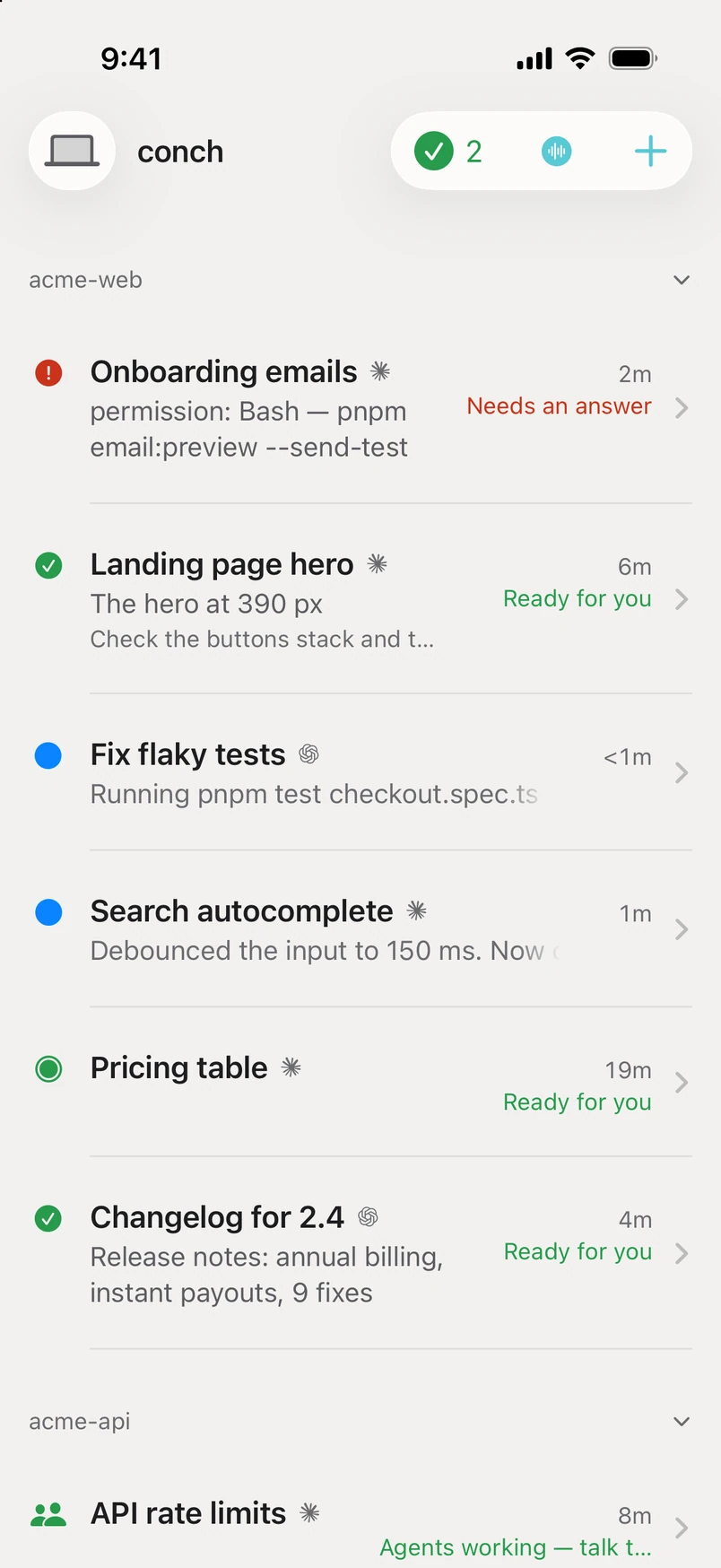
Talk to your crew and review their work from your iPhone, paired to your Mac and end-to-end encrypted.
The launch film, 1:24. Some of it ships today; the rest is what’s next.
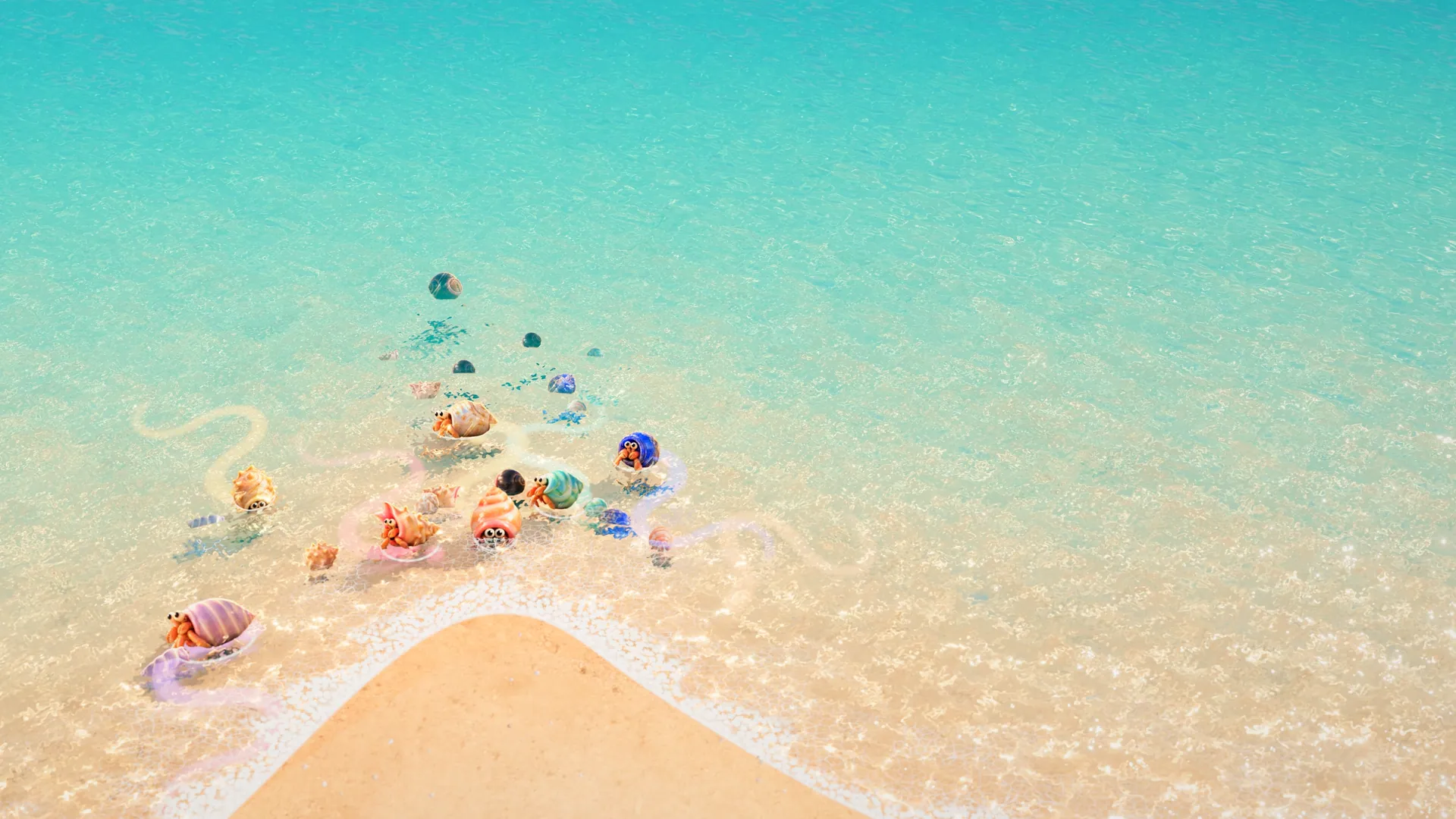
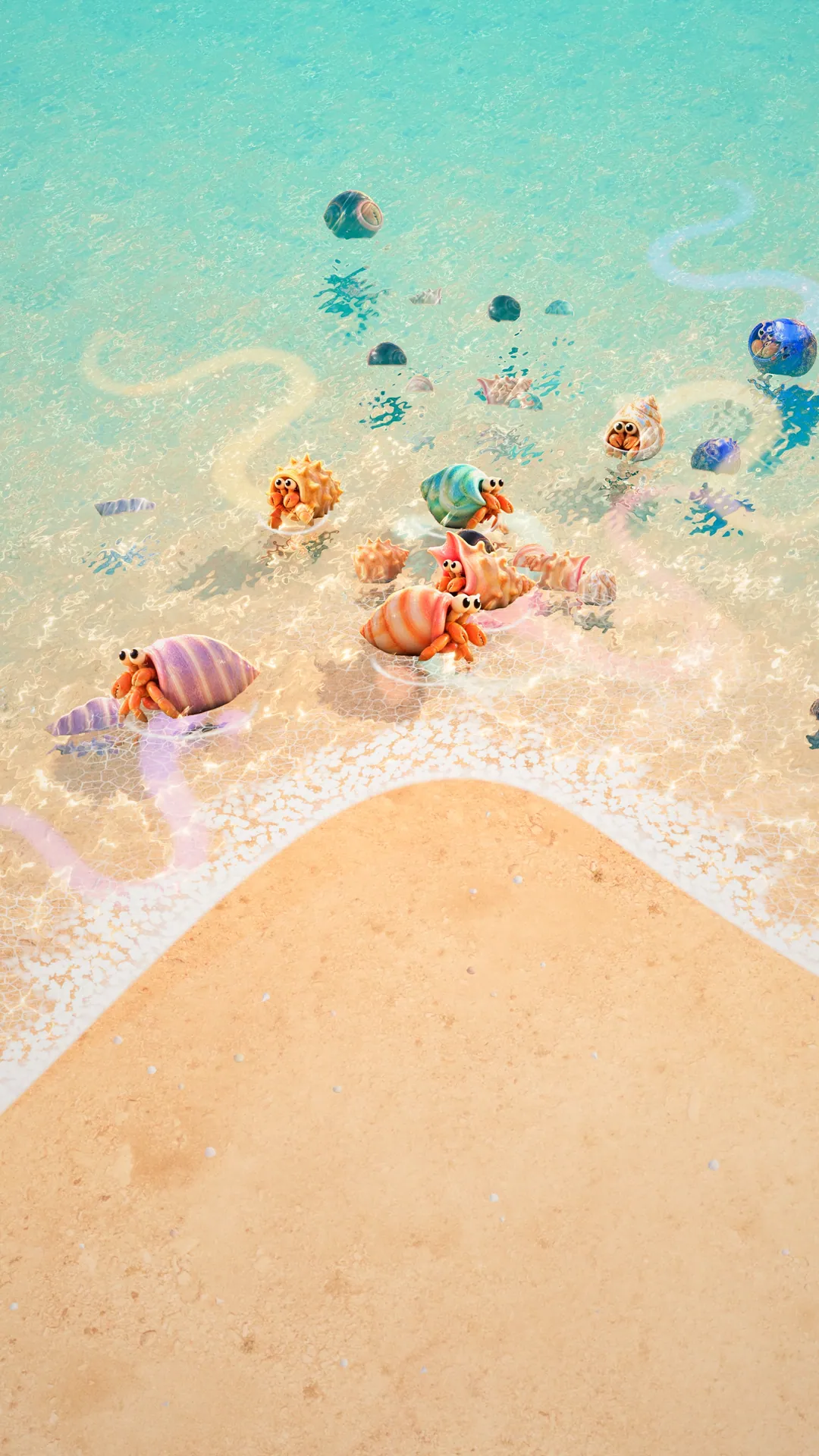
The shell is the context window. Approved work earns sea glass, and sea glass buys rare shells.





Crabs on one project build one castle. It grows with every change you merge, until a city rises.

You’re clear.

Leave the desk and live your life. conch minds the shells.
brew install stupart/tap/conchTwo commands in Terminal. Free, MIT-licensed, and every line of it is on GitHub.
brew install stupart/tap/conchconch.app (linked into Applications), its daemon and its speech engine.
conch setupDownloads the speech model, wires up Claude Code’s hooks and installs the plugin. Safe to rerun.
Finish a turn in Claude Code.
conch speaks and opens the mic; allow it when macOS asks. Quiet? Run conch doctor.
/plugin marketplace add stupart/conch
/plugin install conch@conch-pluginsThe plugin still needs the app and CLI above. If conch setup already installed it, keep that one.
Latest release: v0.4.0. iPhone app: not yet on the App Store.